_edited.jpg)
Constitutional Reading Room and Archive
This section brings together a curated selection of books images and videos related to the Constitution of India. These works explore its history, drafting process, interpretation, and continuing influence on India’s democratic life. From scholarly analyses to historical accounts, the collection offers readers a deeper understanding of the ideas, debates, and institutions that have shaped the Constitution over time.
Books
-
The Indian Constitution: Cornerstone of a Nation - Granville Austin
-
V.P.Menon: The Unsung Architect Of Modern India - Narayani Basu
-
Politics And Ethics of the Indian Constitution- Rajeev Bhargava
-
Constitution of India: A Contextual Analysis - Arun K Thiruvengadam
-
Keshvananda Bharati Case- T.R. Andhyarujina
-
The Framing of India’s Constitution (6 Volumes) - B. Shiva Rao
-
Assembling India’s Constitution: A New Democratic History - Ornit Shani & Rohit De
-
The Making and Working of the Indian Constitution – Shibani Kinkar Chaube
-
Constituent Assembly of India: Springboard of Revolution – Shibani Kinkar Chaube
-
India’s Founding Moment: The Constitution of a Most Surprising Democracy – Madhav Khosla
-
The Making of India’s Constitution – Justice H.R. Khanna
-
The Making of the Indian Constitution 1939–1947 – Anil Chandra Banerjee
-
The Ideas and Men Behind the Indian Constitution – Bimal Prasad
-
Constitutional Law of India (3 Volumes) – H.M. Seervai
-
Introduction to the Constitution of India – Durga Das Basu (D.D. Basu)
-
Indian Constitutional Law – M.P. Jain
-
V.N. Shukla’s Constitution of India – Revised by Mahendra Pal Singh
-
The Constitution of India – P.M. Bakshi
-
Shorter Constitution of India – D.D. Basu
-
The Oxford Handbook of the Indian Constitution – Edited by Sujit Choudhry, Madhav Khosla, & Pratap Bhanu Mehta.
-
T.K. Tope’s Constitutional Law of India – Revised by V. Sudhish Pai
-
Commentary on the Constitution of India – P.K. Agrawal & K.N. Chaturvedi
-
Working a Democratic Constitution: A History of the Indian Experience – Granville Austin
-
The Transformative Constitution: A Radical Biography in Nine Acts – Gautam Bhatia
-
10 Judgements That Changed India – Zia Mody
-
A People’s Constitution: The Everyday Life of Law in the Indian Republic – Rohit De
-
Republic of Rhetoric: Free Speech and the Constitution of India – Abhinav Chandrachud
-
Democracy and Constitutionalism in India – Sudhir Krishnaswamy
-
Liberty After Freedom: A History of Article 21 – Rohan J. Alva
-
The Cases that India Forgot – Chintan Chandrachud
-
Sixteen Stormy Days: The Story of the First Amendment – Tripurdaman Singh
-
Offend, Shock, or Disturb: Free Speech under the Indian Constitution – Gautam Bhatia
-
Our Constitution – Subhash C. Kashyap
-
The Indian Constitution – Madhav Khosla
-
The Indian Constitution: A Conversation with Power – Gautam Bhatia
-
Know Must Know Your Constitution - Fali S. Nariman
-
Before Memory Fades: An Autobiography - Fali S. Nariman
-
The State of the Nation – Fali S. Nariman
-
Constitutional Questions and Citizens’ Rights – A.G. Noorani
-
The Case that Shook India – Prashant Bhushan
-
Courts and the Constitution: Summits and Shallows – O. Chinnappa Reddy
-
Ambedkar’s Constitution: A Radical Document – Aakash Singh Rathore
-
The Indian Supreme Court and Politics – Pratap Bhanu Mehta
-
Supreme Court of India: The Beginnings – George H. Gadbois Jr.
-
The Indian Supreme Court: A Social History of the Highest Court – George H. Gadbois Jr.
-
The Supreme Court of India and the Judicial Review – S. P. Sathe
-
Judicial Activism in India: Transgressing Borders and Enforcing Limits – S. P. Sathe
-
Courting the People: Public Interest Litigation in Post-Emergency India – Anuj Bhuwania
-
Public Interest Litigation in India: A Critical Review – Anuj Bhuwania
-
The Constitution of India: A Political Analysis – Granville Austin (edited essays)
-
The Constitution and the Nation – Rajeev Dhavan
-
The Constitution of India and Parliamentary Democracy – Subhash C. Kashyap
-
Our Parliament – Subhash C. Kashyap
-
Parliamentary Procedure: Law, Privileges, Practice and Precedents – Subhash C. Kashyap
-
Constitutional Governance in India – Ramesh Thakur
-
Constitutionalism in India – M. P. Singh
-
Indian Constitutionalism – Zoya Hasan, E. Sridharan & R. Sudarshan (eds.)
-
Comparative Constitutional Law in South Asia – Sunil Khilnani, Vikram Raghavan & Arun K. Thiruvengadam (eds.)
-
The Indian Constitution and Social Revolution – Granville Austin (essay compilation)
-
Constitutional Justice: A Liberal Theory of the Rule of Law – Sudhir Krishnaswamy
-
The Basic Structure Doctrine: Protector of Constitutional Integrity – Rohinton Fali Nariman
-
The Indian Constitution: An Introduction – Madhav Khosla
-
The Constitution of India: Select Issues and Perceptions – Justice V. R. Krishna Iyer
-
The Indian Constitution: Trends and Issues – B. L. Fadia
-
Indian Constitutional Law and Philosophy – Upendra Baxi
-
Law and Justice in India – Upendra Baxi
-
The Crisis of the Indian Legal System – Upendra Baxi
-
The Indian Supreme Court: A Social History (1950–2000) – George H. Gadbois Jr.
-
The Indian Constitution and Its Working – B. L. Hansaria
-
Human Rights and the Constitution of India – A. K. Jain
-
Judicial Review and the Indian Constitution – S. P. Sathe
-
Ambedkar and the Constitution of India – Subhash C. Kashyap
-
Constitutional Developments in India – A. G. Noorani
-
The Supreme Court and the Constitution – K. Subba Rao
-
The Constitution of India: Its Philosophy and Basic Postulates – Justice P. B. Gajendragadkar
-
The Indian Constitution: Cornerstone of a Nation Revisited – Granville Austin (later essays and reflections)
-
The Idea of India and the Constitution – Sunil Khilnani
-
Indian Polity and Constitution – V. N. Khanna
-
The Indian Constitution and Governance – K. K. Ghai
-
The Constitution of India: Principles and Practices – J. N. Pandey
Articles and White Papers
-
White Paper on Indian States, New Delhi: The Manager, Government of India Press, 1948
-
White Paper on Indian States, Delhi: The Manager, Government of India Press, 1950
-
Richard Albert, Menaka Guruswamy and Nishchal Basnyat (eds.). Founding Moments in Constitutionalism, London: Bloomsbury, 2019
-
Alexandendrowicz, C.H. ‘Personal Liberty and Preventive Detention’, Journal of Indian Law Institute, 3, no. 4, 1961, pp. 445-458
-
Alva Rohan J. Liberty after Freedom: A History of Article 21, Due Process and the Constitution of India, New Delhi: Harper Collins, 2021
-
Banerjee. A.C. The Constituent Assembly of India, Calcutta: Amiya Ranjan, 1947
-
Barnett, Marguerite Ross. The Politics of Cultural Nationalism in South India, Princeton: Princeton University Press, 1976
-
‘Violence, Constitutionalism, and Struggle: Or How to Avoid Being a Mahamoorkha’, in S.P. Sathe and Sathya Narayan (eds), Liberty, Equality, and Justice : Struggles for a New Social Order, Lucknow: EBC Publishing, 2003, pp. 0-24
-
Status of Women in Free India’, in The First Year of Freedom (August 15, 1947- August 15, 1948), Delhi: Publication Division Ministry of Information and Broadcasting, Government of India, 1948, pp. 34-35.
-
Mehta, Uday S. 'Indian Constitutionalism: Crisis, Unity, and History', in Sujit
-
Choudhry, Madhav Khosla, and Pratap Bhanu Mehta (eds.), , Oxford: Oxford University Press, 2016, pp. 38-54.
-
Menon, Nivedita. Secularism as Misdirection: Critical Thought from the Global South, Durham: Duke University Press, 2024.
-
Ivor Jennings, Some Characteristics of the Indian Constitution, Oxford : Oxford University Press, 1953
-
Upendra Baxi, ‘The Avatars of Indian Judicial Activism’.
-
Partha Chatterjee, Nationalist Thought and the Colonial World (Princeton: Princeton University Press, 1986)
-
Sapru, ‘India: The Relation of the Individual and the State Under the Indian Constitution’, Calcutta, University of Calcutta, 1959
-
Rajeev Bhargava, ‘Secularism and Its Critics’, Delhi; New York, Oxford University Press, 2006.
-
Sikri, S. L. ‘A Constitutional History of India.’, Jullundur: S. Nagin & Co., 1963.
-
Austin, Granville. Working a Democratic Constitution: The Indian Experience. New Delhi: Oxford University Press, 1999.
-
Austin, Granville. “The Indian Constitution: Cornerstone of a Nation.” In Government Under the Constitution, edited volume, Oxford University Press.
-
Baxi, Upendra. “The Supreme Court Under Trial: Undertrials and the Supreme Court.” University of Pennsylvania Law Review 1, no. 4 (1980): 108–133.
-
Baxi, Upendra. “Taking Suffering Seriously: Social Action Litigation in the Supreme Court of India.” Third World Legal Studies 4 (1985): 107–132.
-
De, Rohit. “The Two Indias of Social Action Litigation: A Brief History of the Public Interest Litigation Movement.” Harvard Law Review 124 (2011): 1–38.
-
Chandrachud, Abhinav. “The Evolution of Free Speech Doctrine in India.” International Journal of Constitutional Law 13, no. 2 (2015): 393–418.
-
Krishnaswamy, Sudhir. “Democracy and Constitutionalism in India: A Study of the Basic Structure Doctrine.” Oxford Journal of Legal Studies 20, no. 3 (2000): 1–26.
-
Khilnani, Sunil. “The Constitution of India and the Democratic Imagination.” Modern Asian Studies 33, no. 3 (1999): 599–624.
-
Mehta, Pratap Bhanu. “The Inner Conflict of Constitutionalism.” In India’s Living Constitution: Ideas, Practices, Controversies, edited by Zoya Hasan, E. Sridharan, and R. Sudarshan. New Delhi: Permanent Black, 2002.
-
Hasan, Zoya, E. Sridharan, and R. Sudarshan (eds.). India’s Living Constitution: Ideas, Practices, Controversies. New Delhi: Permanent Black, 2002.
-
Robinson, Nick. “Judicial Activism and the Indian Supreme Court.” In The Oxford Companion to Politics in India, edited by Niraja Gopal Jayal and Pratap Bhanu Mehta. Oxford: Oxford University Press, 2010.
-
Gadbois, George H. Jr. “The Supreme Court of India as a Political Institution.” Asian Survey 16, no. 9 (1976): 787–803.
-
Gadbois, George H. Jr. “Indian Supreme Court Judges: A Portrait.” Law & Society Review 3, no. 2–3 (1968): 317–335.
-
Khaitan, Tarunabh. “Equality: Legislative Review Under Article 14 of the Indian Constitution.” Oxford Journal of Legal Studies 35, no. 3 (2015): 559–585.
-
Bhatia, Gautam. “Directive Principles of State Policy.” In The Oxford Handbook of the Indian Constitution. Oxford: Oxford University Press, 2016.
-
Deva, Surya. “Public Interest Litigation in India: A Critical Review.” Civil Justice Quarterly 28, no. 1 (2009): 19–40.
-
Singh, Mahendra Pal. “Judicial Review in India: The Expanding Dimensions.” Indian Journal of Constitutional Law 1 (2007): 1–25.
-
Dhavan, Rajeev. “The Supreme Court of India: A Socio-Legal Critique of Its Juristic Techniques.” Journal of the Indian Law Institute 8, no. 3 (1966): 305–338.
-
Seervai, H. M. “The Supreme Court and the Constitution of India.” Journal of the Indian Law Institute 1, no. 1 (1958): 1–25.
-
Nariman, Fali S. “The Supreme Court and the Basic Structure Doctrine.” Supreme Court Cases Journal 2007.
-
Basu, Durga Das. “Fundamental Rights and Constitutional Remedies.” Journal of the Indian Law Institute 5, no. 1 (1963): 1–15.
-
Bhuwania, Anuj. “The Rise of PIL: Historical Context and Consequences.” Economic and Political Weekly 48, no. 50 (2013): 37–43.
-
Jayal, Niraja Gopal. “Citizenship and Its Discontents: An Indian History.” Harvard University Press Studies in South Asian Politics, 2013.
-
Khosla, Madhav. “Constitutional Identity.” Modern Law Review 78, no. 4 (2015): 639–670.
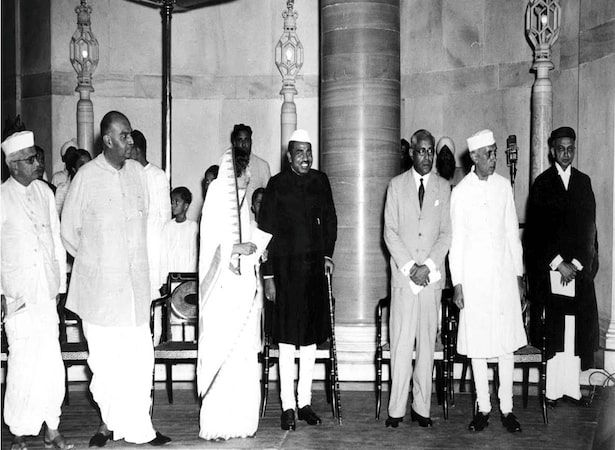
Archival Images




Archival Speeches
Prasar Bharati maintains an extensive archive of historical audio and visual recordings, including speeches, broadcasts, and significant moments from India’s public and political life. These recordings provide valuable insight into the voices and events that have shaped the nation’s democratic and constitutional journey. A curated playlist of these archival materials can be accessed here, allowing listeners to explore these historic broadcasts firsthand.
Illustrations and Stamps
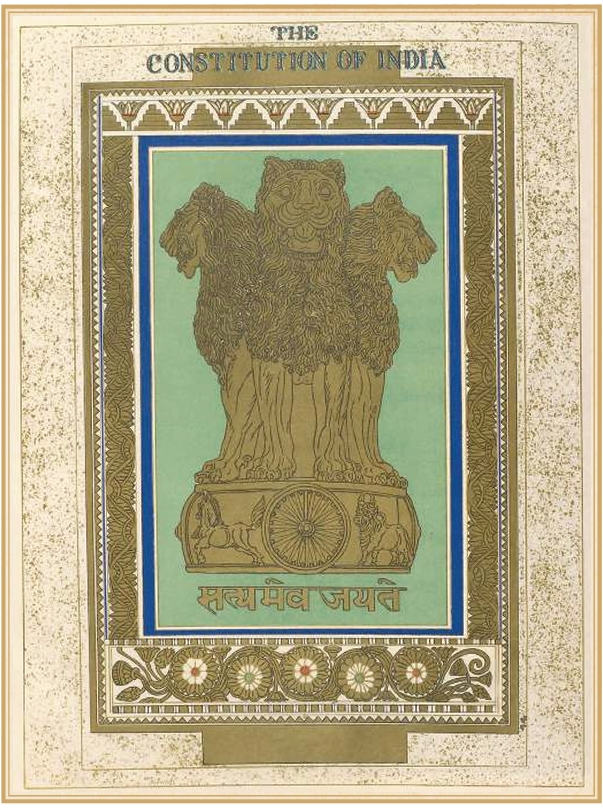
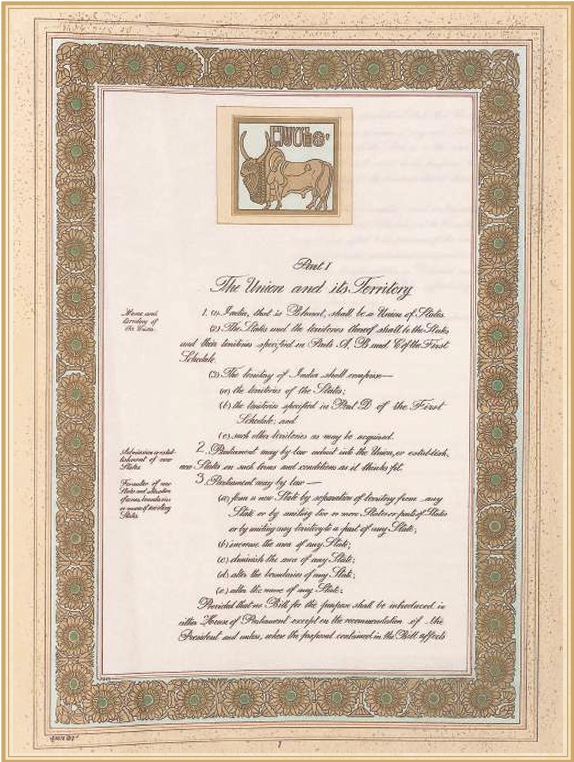
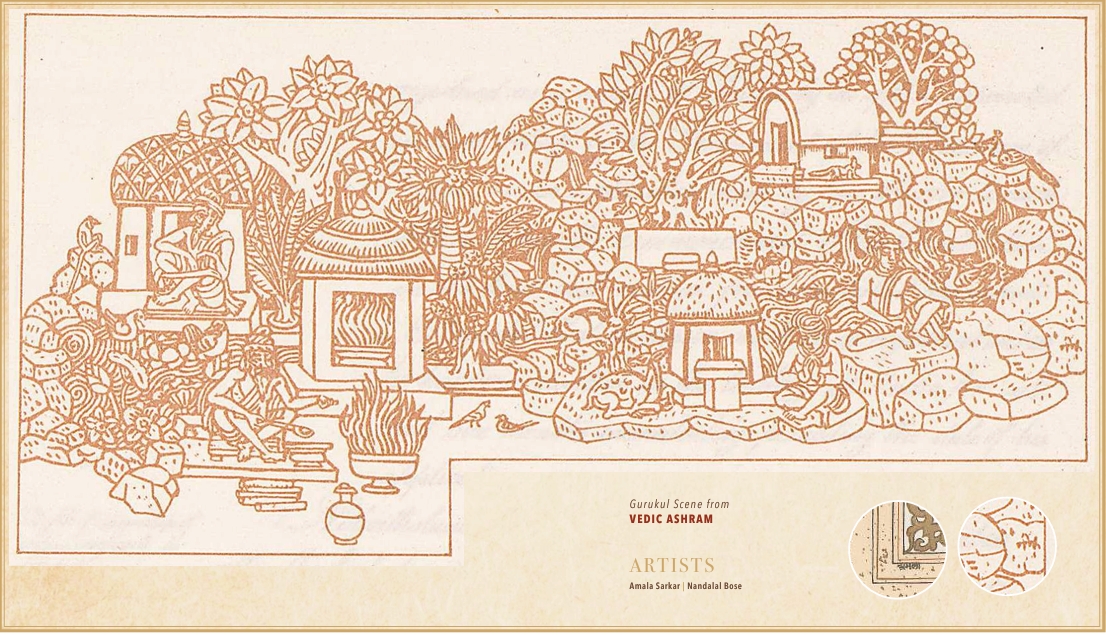
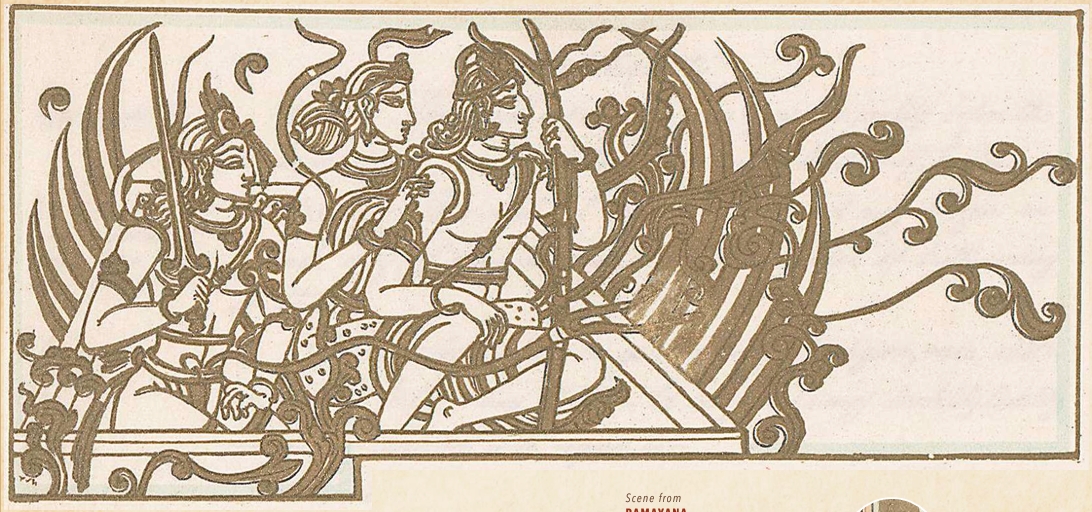
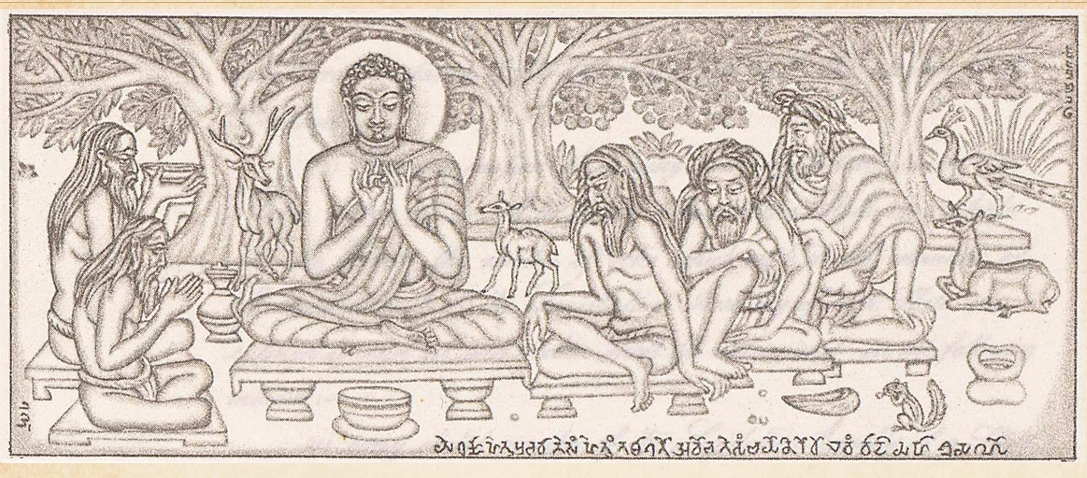
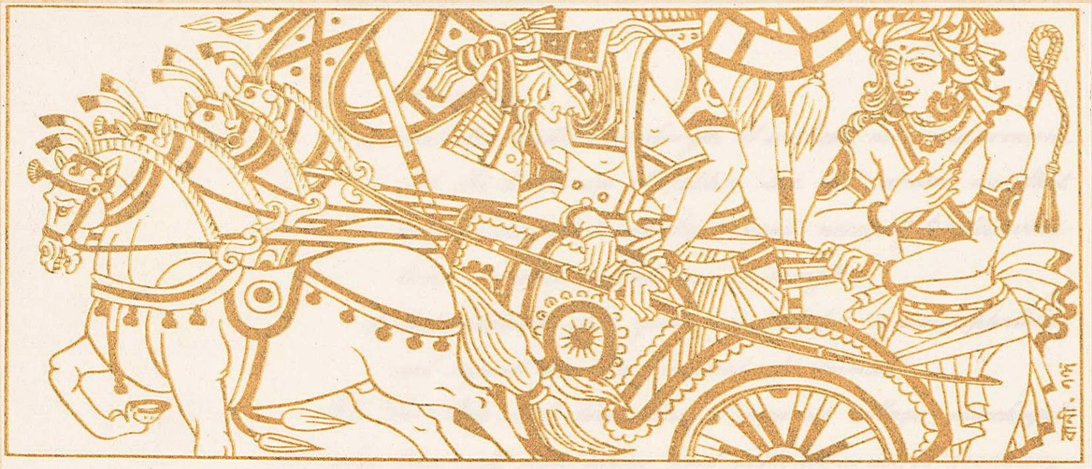
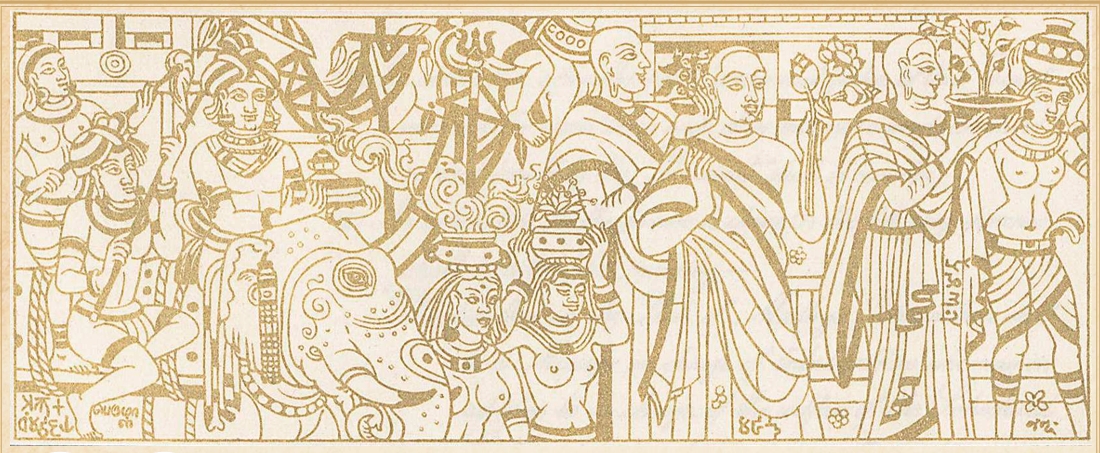
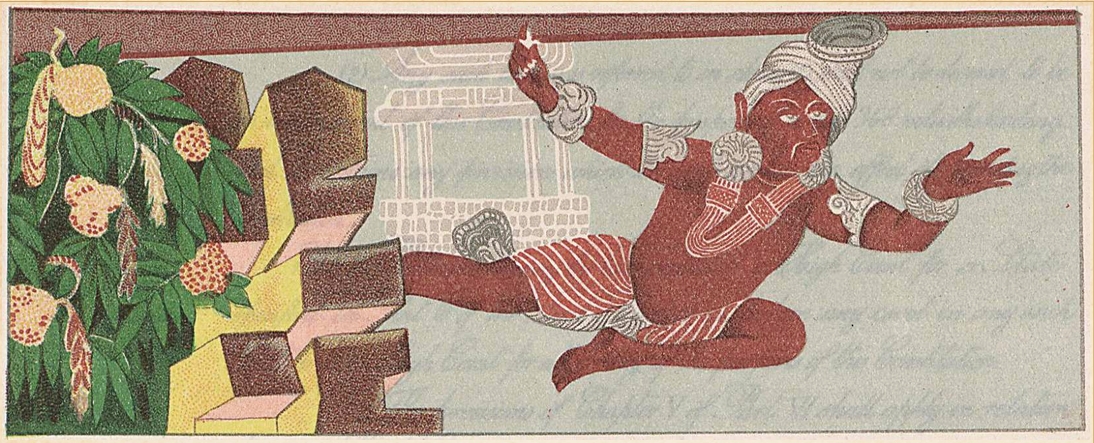
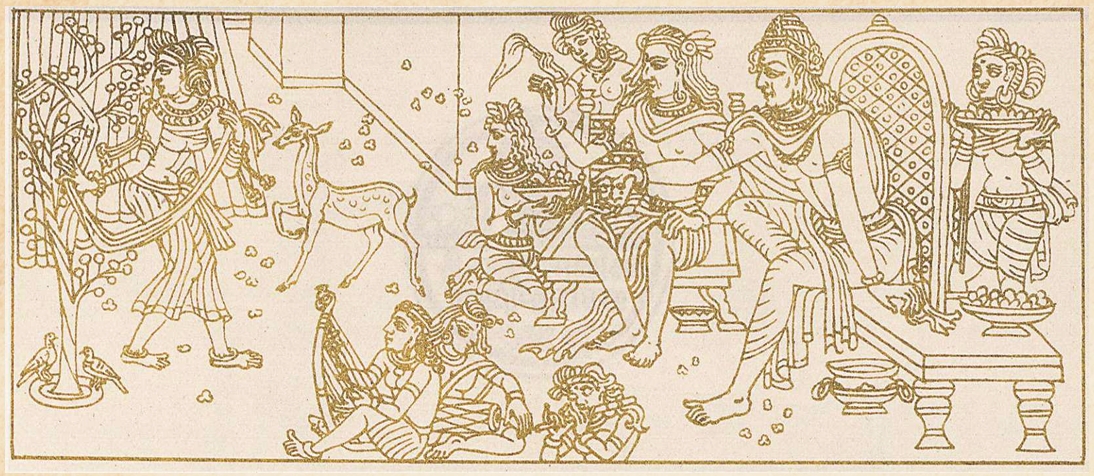
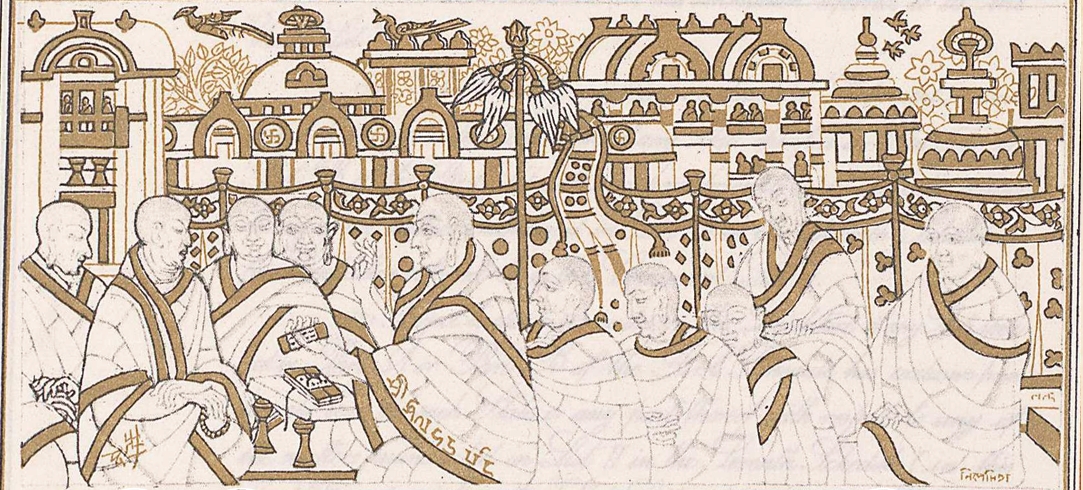
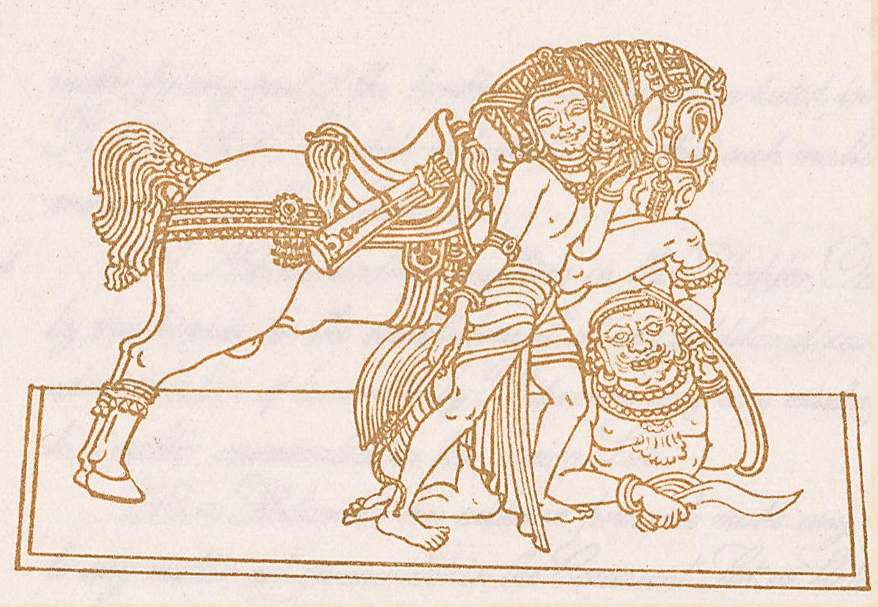
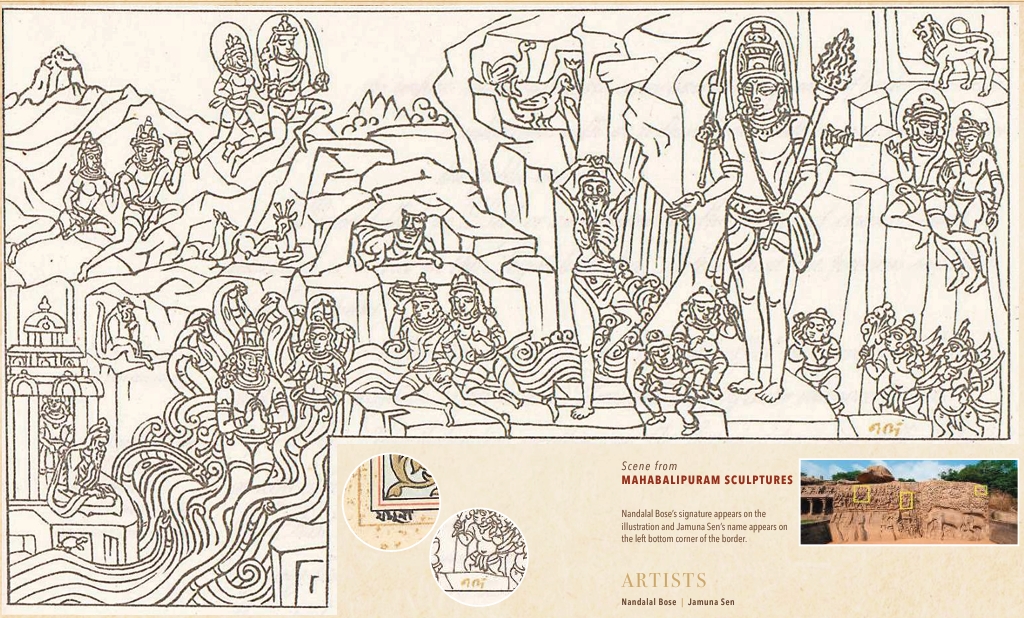
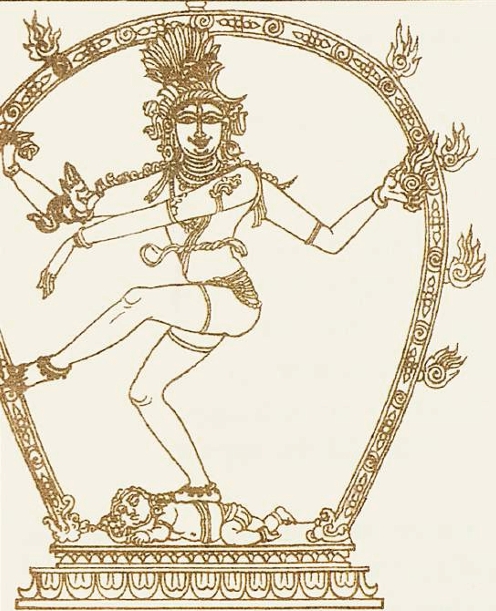
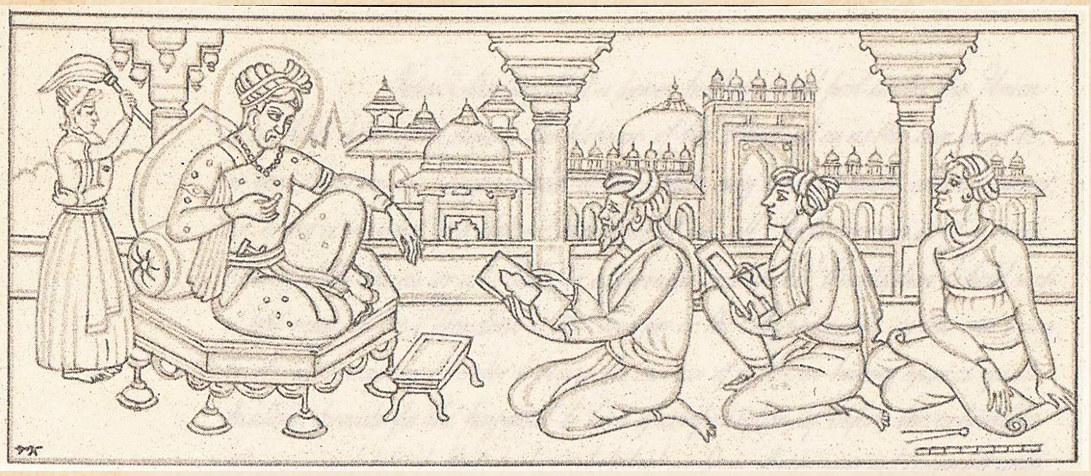
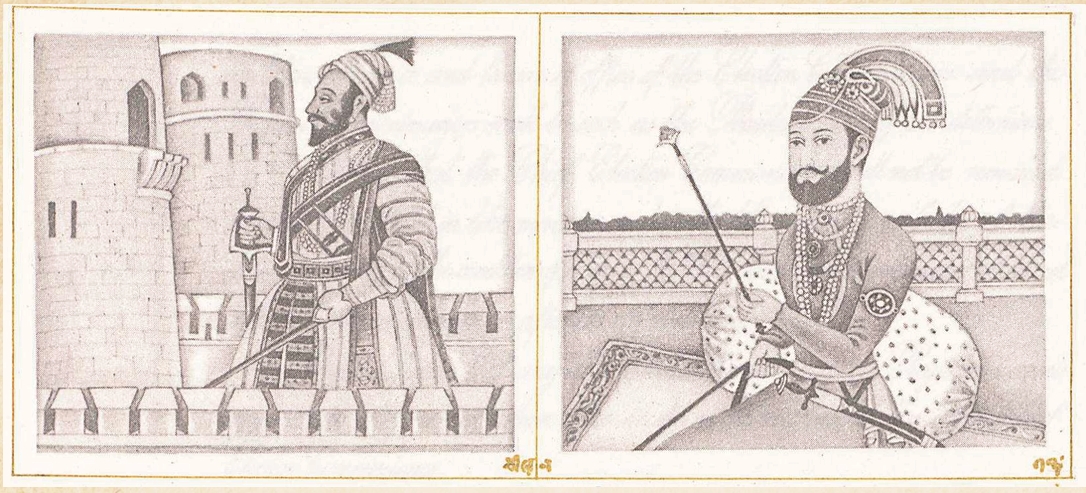
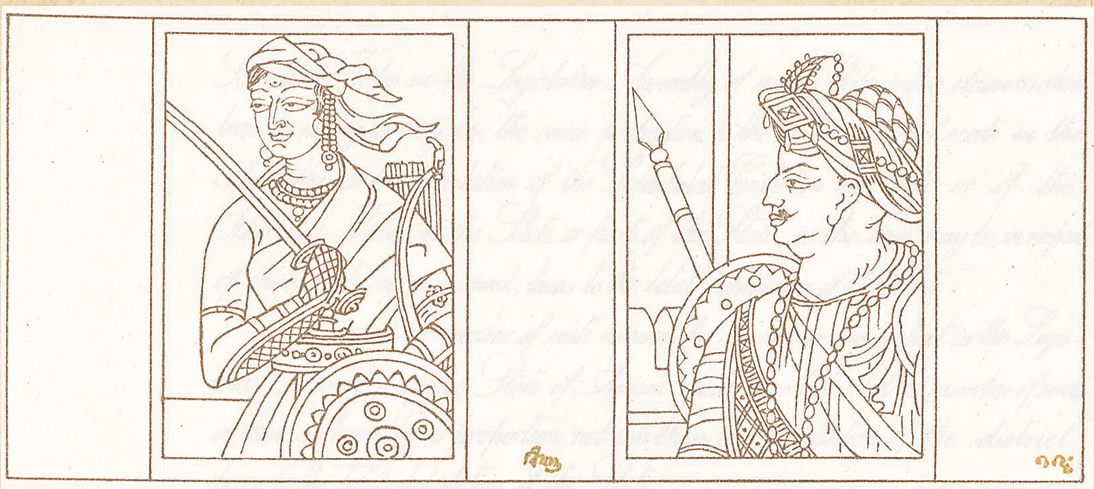
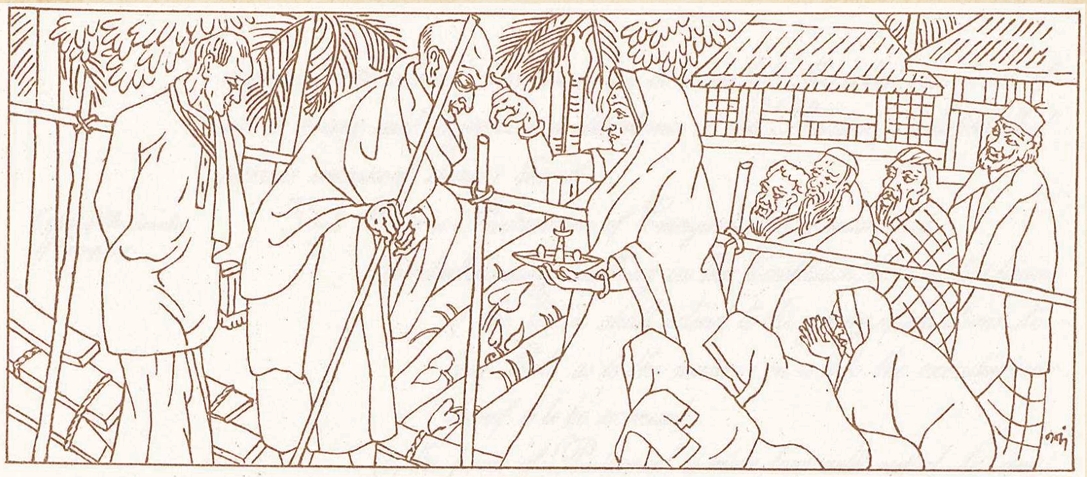
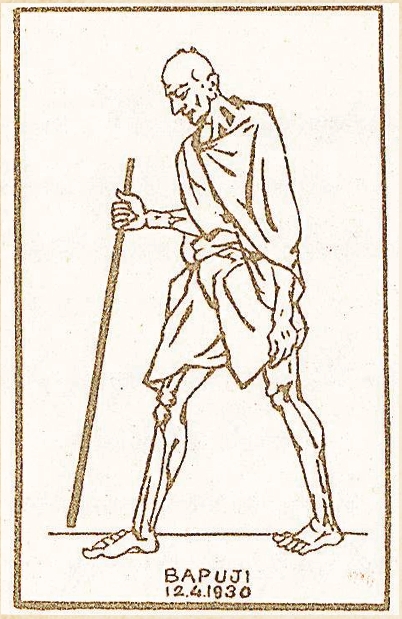
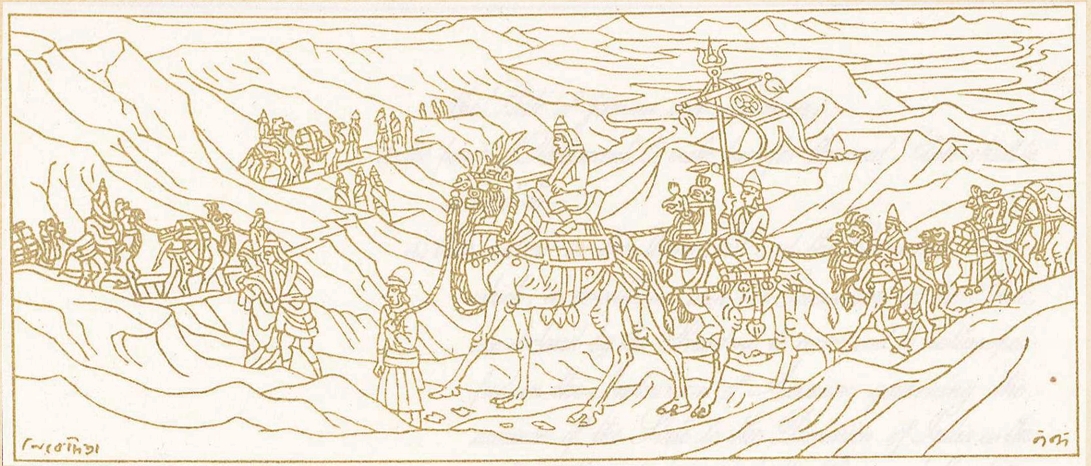
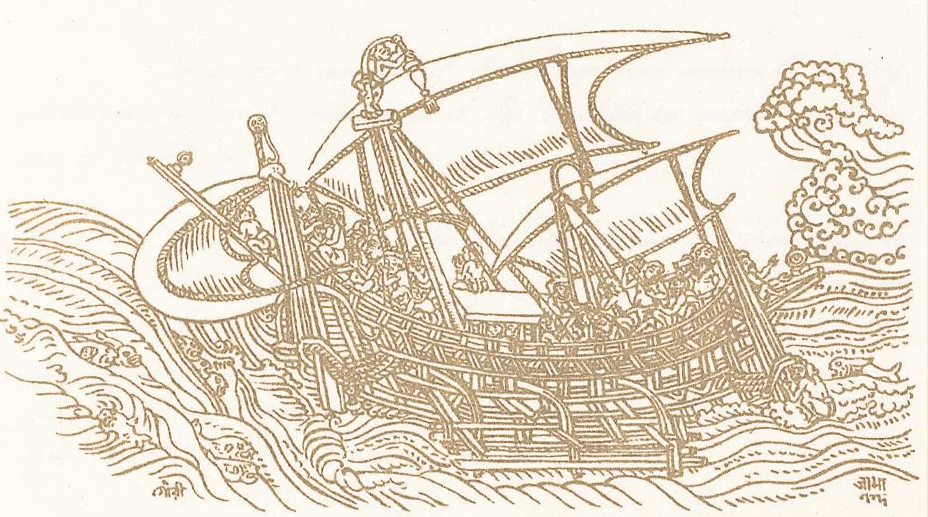
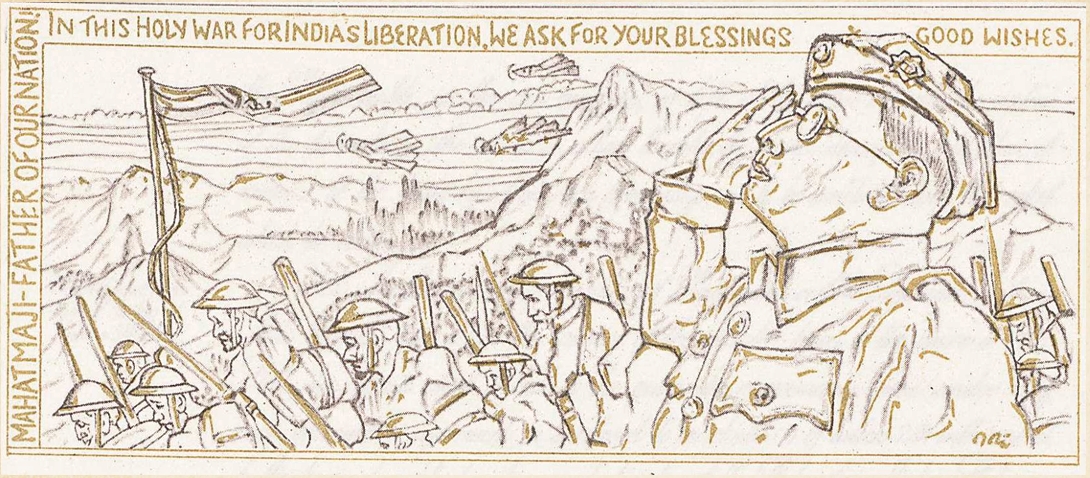
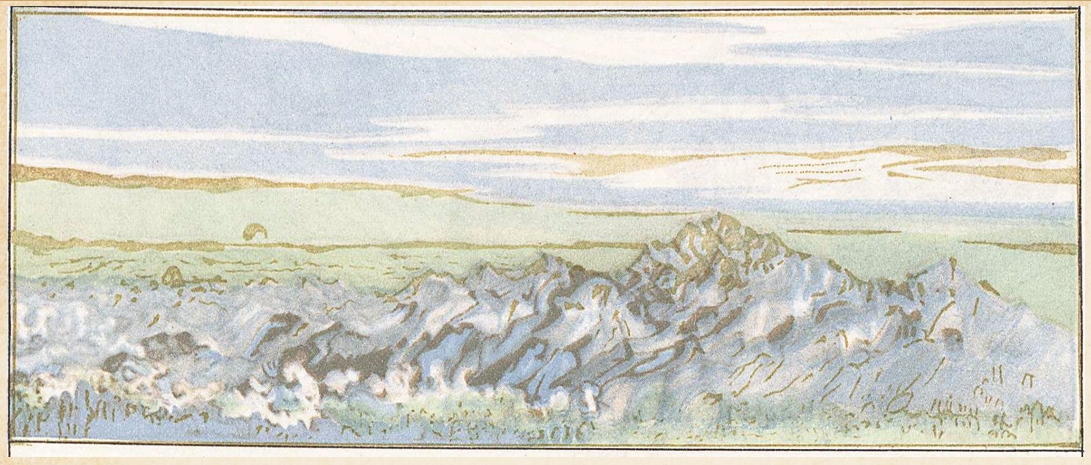
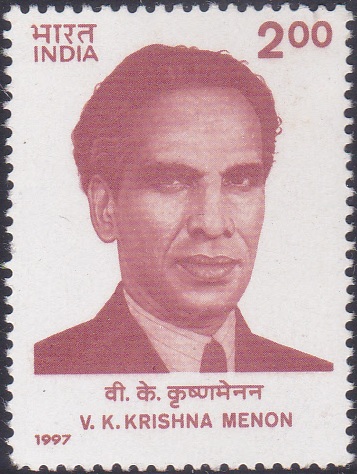
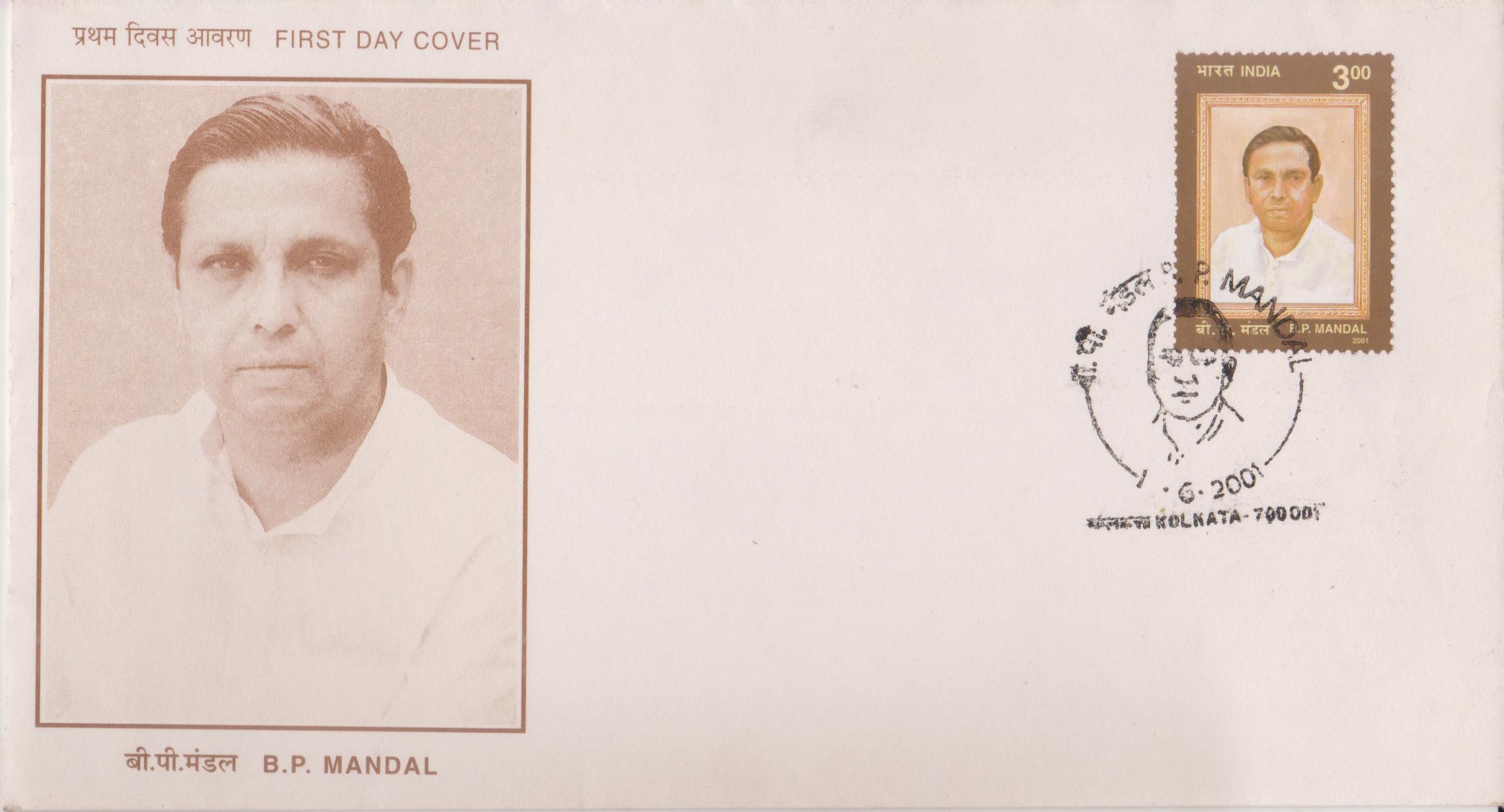
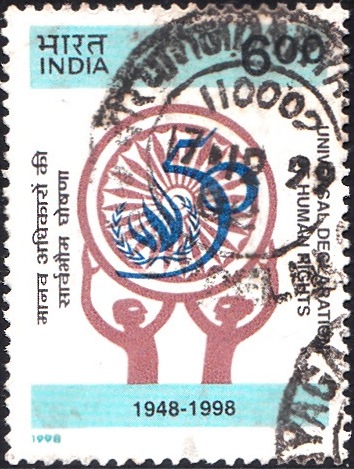
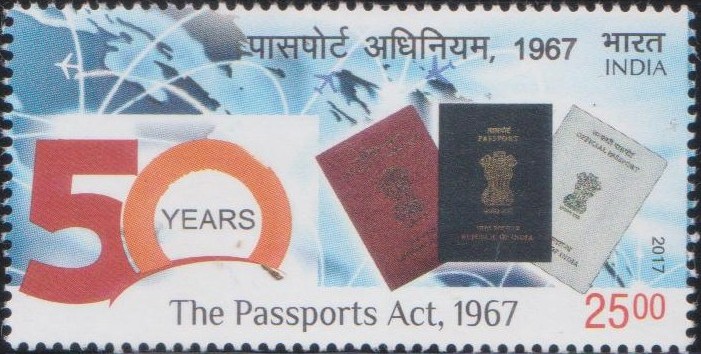
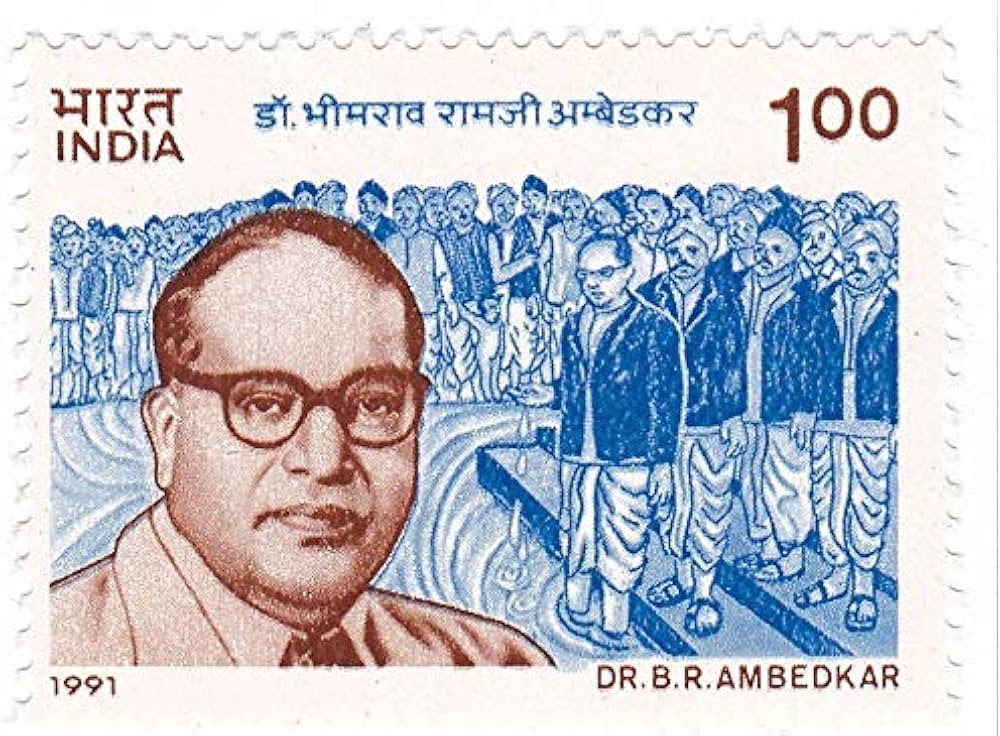
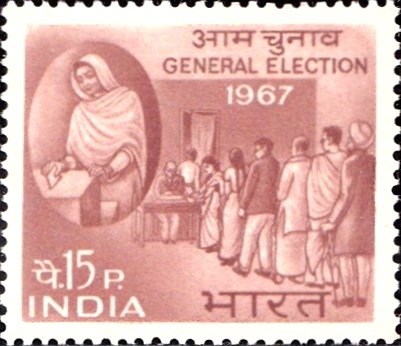
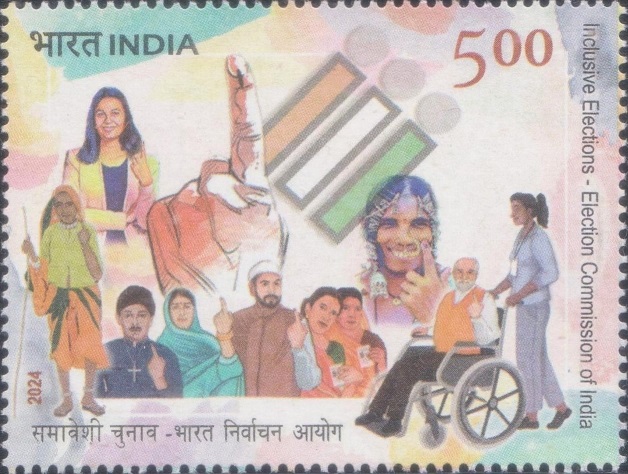
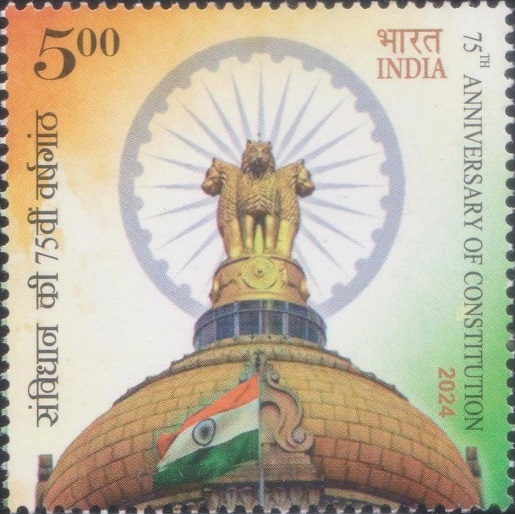
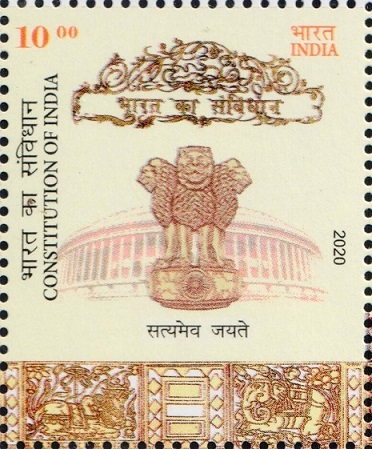
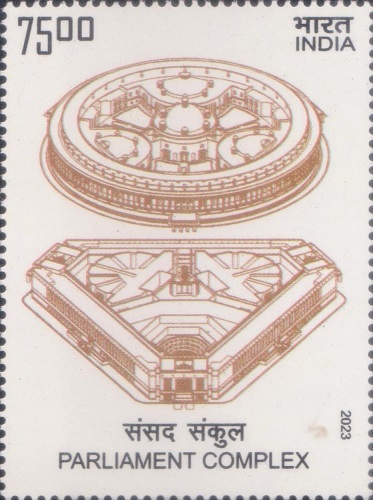
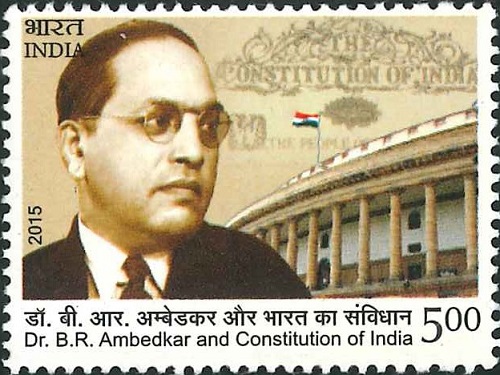
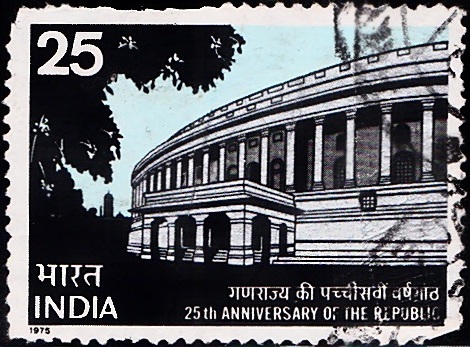
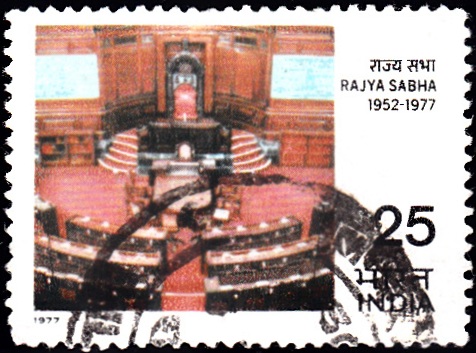
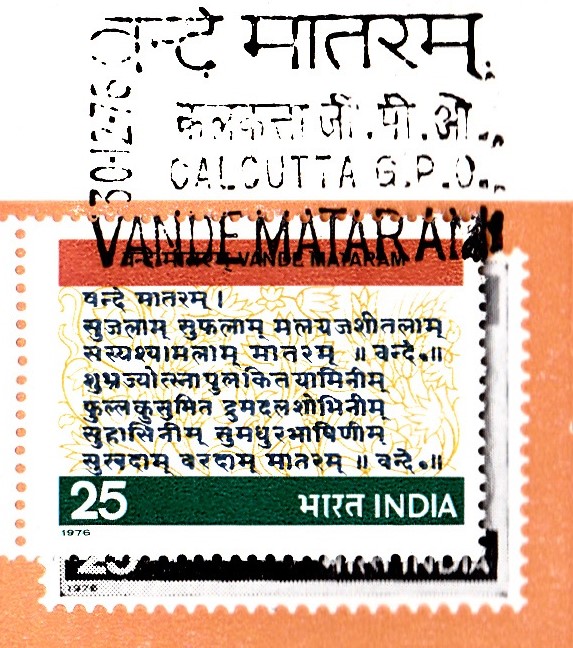
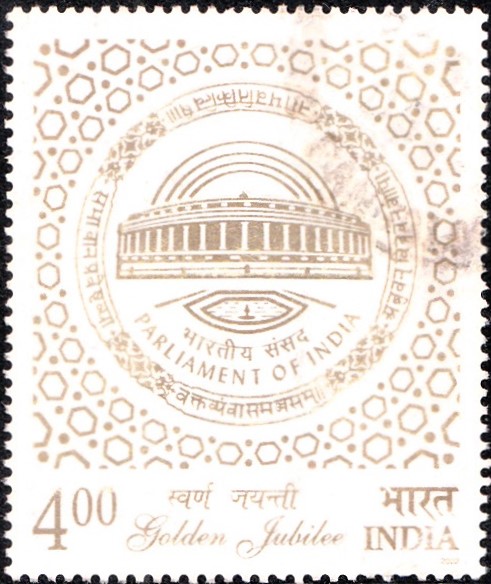
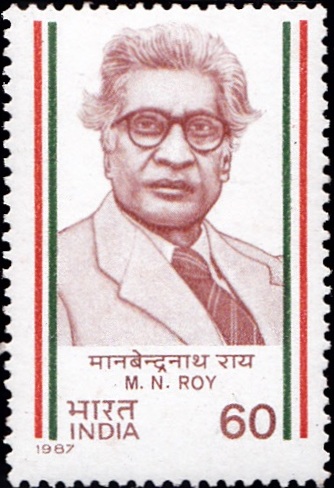
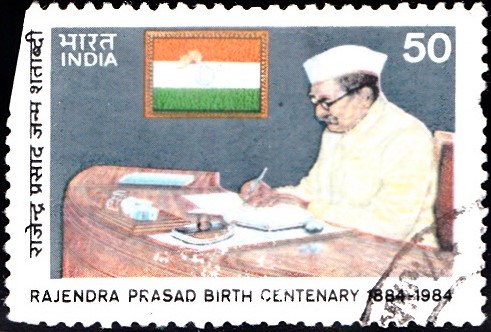
This section presents visual representations of the Constitution of India through illustrations and commemorative stamps. While the original manuscript was illustrated under the direction of Nandalal Bose at Kala Bhavana, Visva-Bharati, stamps issued by India Post have also reflected constitutional themes and milestones over time. Together, they offer a visual way of engaging with the Constitution and its ideals.