Teaching Modules


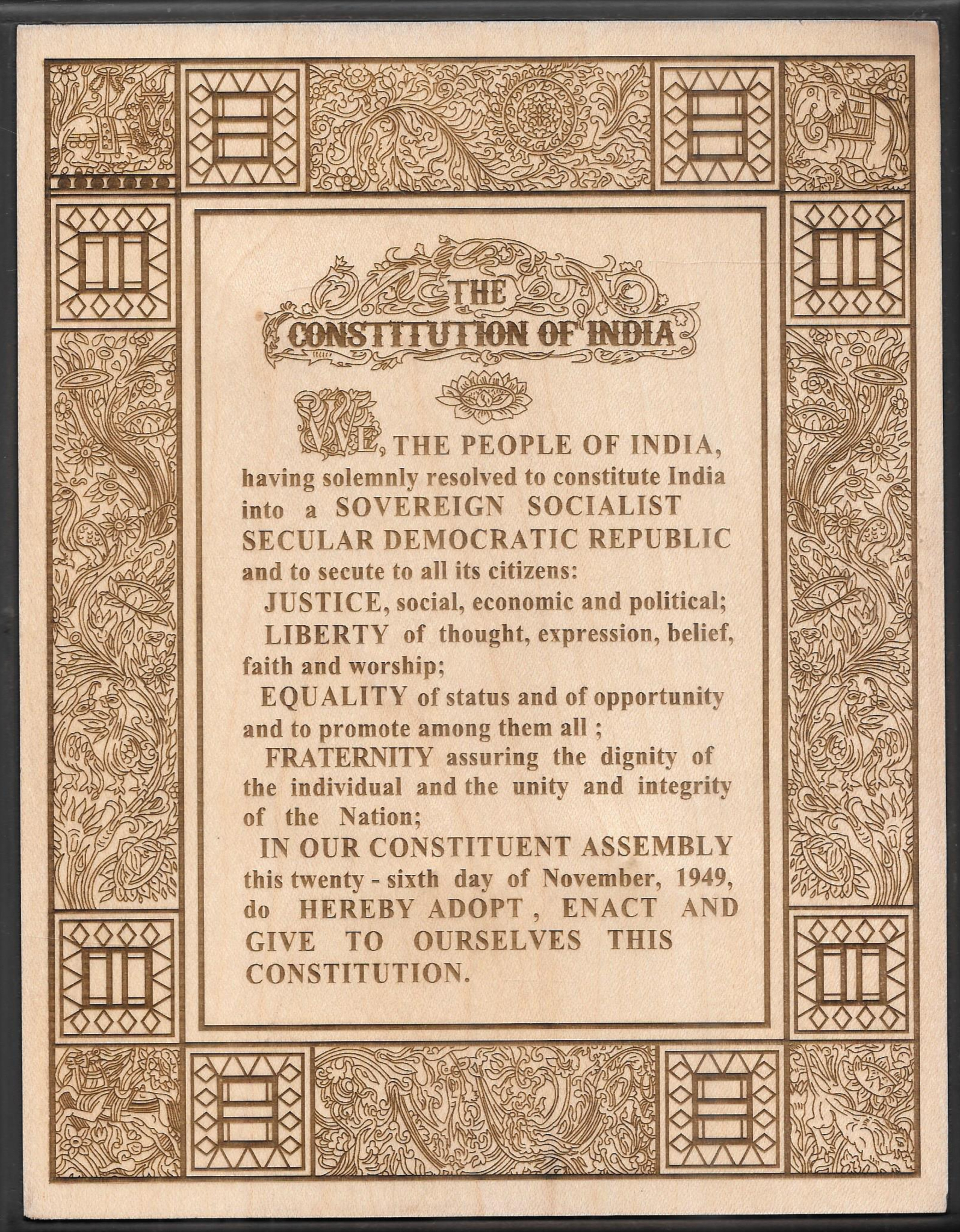
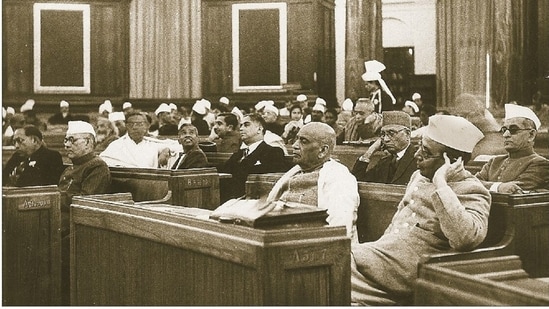
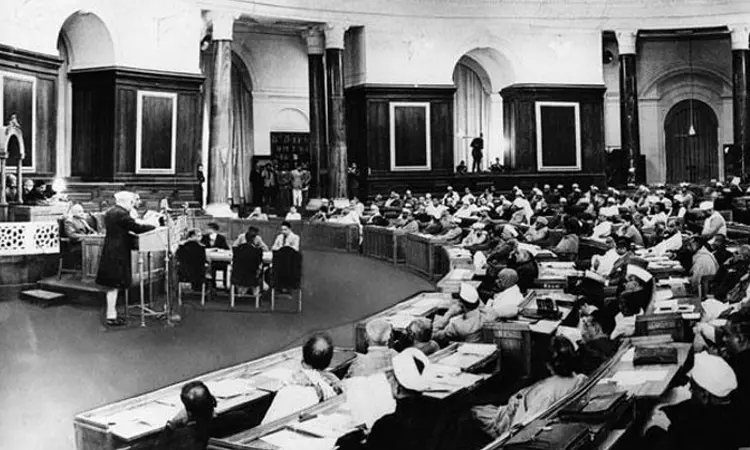
These teaching modules are designed to support meaningful engagement with the Constitution through structured, thematic learning. Organised into five interconnected modules, the series introduces key ideas such as the making of the Constitution, its institutional design, the relationship between rights and social justice, the role of duties and governance, and the ways in which the Constitution continues to evolve through interpretation and amendment. Developed as part of the Digital Constitution Museum, the modules are intended for classroom use as well as independent learning, offering accessible explanations, historical context, and questions for reflection. Together, they aim to make constitutional understanding both rigorous and approachable for students, educators, and interested readers.
Module 1: Power, People, and the Birth of the Constitution
Explores the historical context of constitution making, the role of the Constituent Assembly, and the ideas that shaped India’s founding vision. It introduces the Constitution as a negotiated project aimed at transforming society, not merely governing it.
.jpeg)


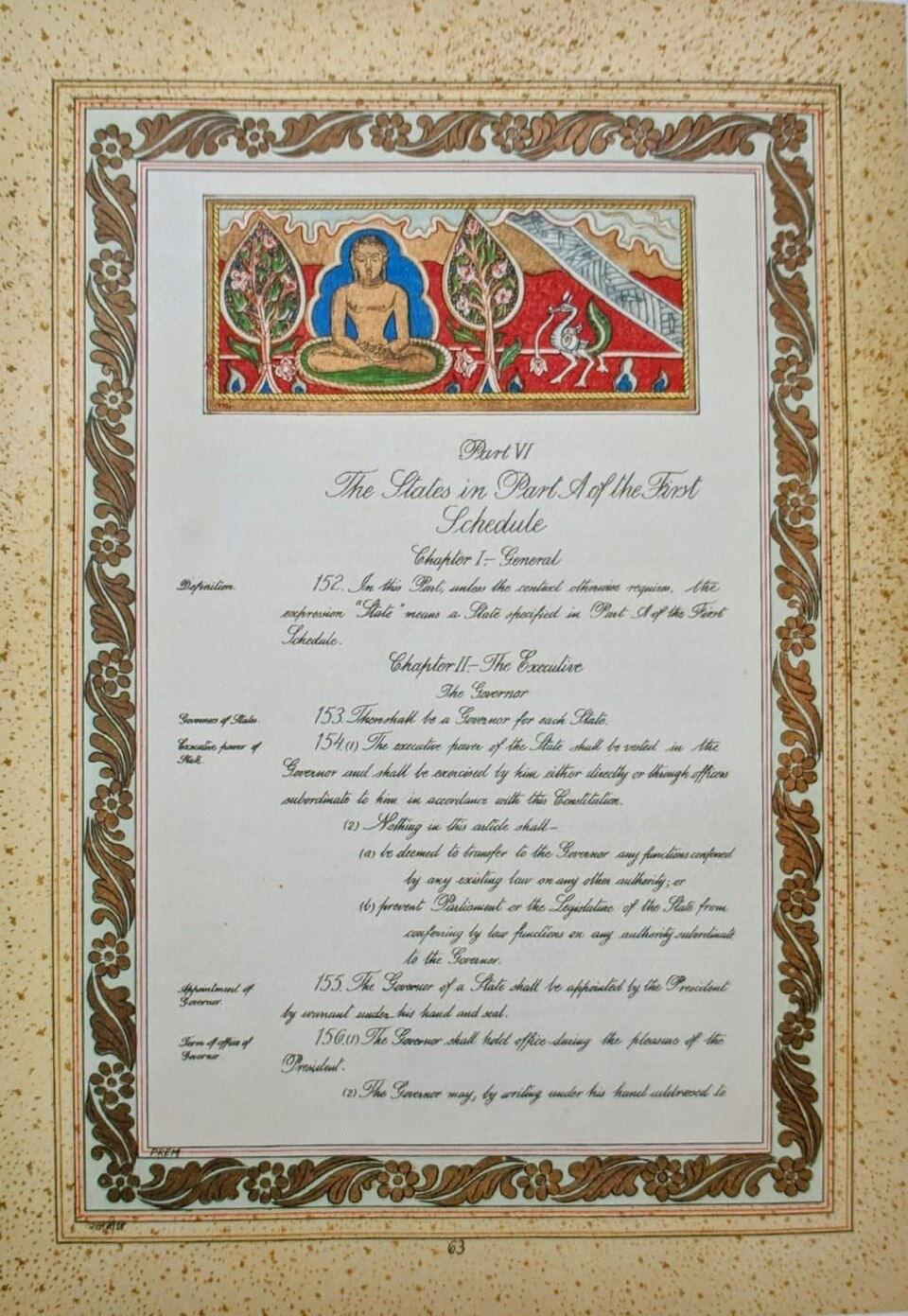
Module 2: Structure and Design – How the Constitution Works
Examines the institutional architecture of the Constitution, including parliamentary democracy, federalism, the judiciary, and emergency powers. The module explains how the distribution and limitation of power sustain democratic governance.


Module 5: A Living Constitution – Amendments, Courts, and Change
Examines how the Constitution adapts over time through amendments, judicial interpretation, and public engagement. The module presents constitutionalism as an ongoing process shaped by institutions, conflict, and democratic participation.


Extra Learning - Features Borrowed in the Constitution of India
Traces how key features from different constitutional traditions were adopted and adapted into the Indian framework. This section maps their origins and shows how they were reworked to suit India’s governance, legal structure, and democratic vision.