
.jpg)


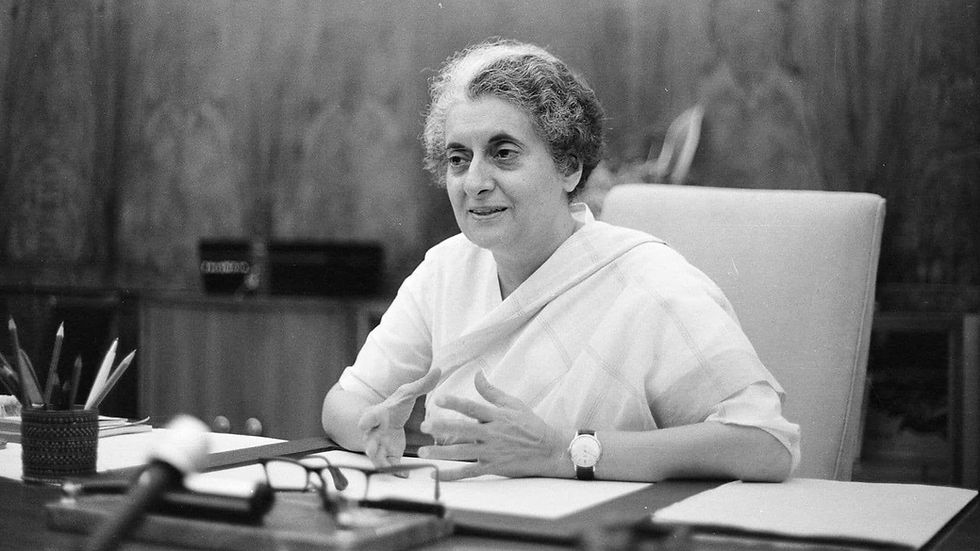


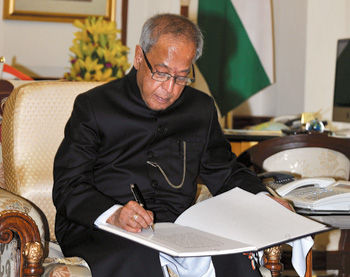

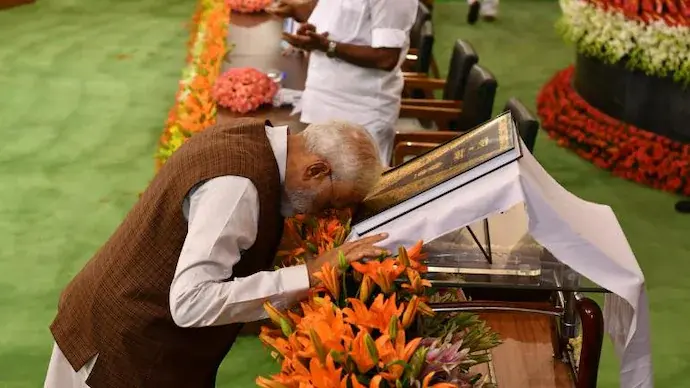
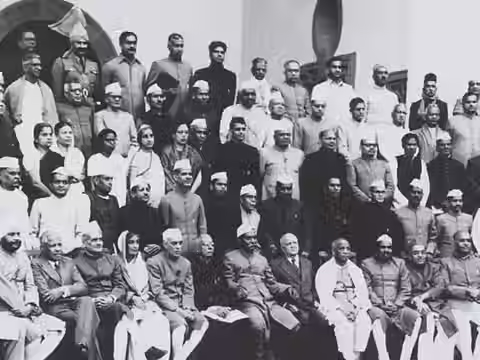
The Constituent Assembly of India first convened on 9 December 1946, bringing together representatives from across the subcontinent to shape the foundations of a new nation. Over the next 2 years and 11 months, the Assembly met for 167 days, debating, drafting, and refining what would become the Constitution of India.
Let us explore this remarkable journey of ideas, debates, and decisions that culminated in the Assembly’s final session on 24 January 1950, just days before the Constitution came into force and India stepped into its life as a Republic.
Explore the Various Layers of the Constitution
01
The Constituent Assembly Debates (CAD) are the official records of the discussions and deliberations that took place while framing the Constitution of India between December 1946 and January 1950. These debates capture the intellectual, political, and ideological foundations of the Indian Republic, reflecting how members of the Constituent Assembly negotiated questions of governance, rights, federalism, minority protection, social justice, and the nature of the Indian state.
Spread across 12 volumes, the debates document clause-by-clause discussions on the Draft Constitution, including amendments proposed, arguments presented, and the reasoning behind key constitutional provisions. They provide insight into the intentions of the framers and remain an essential source for constitutional interpretation, legal scholarship, and historical research.
.webp)
02
Each Article of the Constitution of India carries within it a history of debate, disagreement, and careful negotiation shaped by the social and political realities of its time. The provisions were not drafted in isolation; they emerged from intense discussions in the Constituent Assembly that grappled with the challenges of Partition, deep social inequalities, linguistic and religious diversity, and the urgent need to build a stable democratic state after colonial rule. Fundamental Rights reflected the desire to protect individual freedoms against state excess, while provisions on affirmative action sought to address centuries of caste-based exclusion. Articles on federalism balanced national unity with regional autonomy, and those on language, minority rights, and religious freedom reveal the delicate effort to accommodate India’s plural character. Directive Principles expressed the aspiration for a welfare-oriented social order, even where immediate enforcement was not possible. Seen together, these provisions tell a larger story: the Constitution is not merely a legal framework, but a record of collective anxieties, compromises, and aspirations through which the framers attempted to translate the promise of independence into a durable vision of justice, equality, and democratic nation-building.
03
This section brings together the lives and voices of the individuals who shaped the making of the Indian Constitution, moving beyond familiar names to reflect the diversity of the Constituent Assembly. The framers were not only lawyers and political leaders, but also scholars, social reformers, administrators, educationists, and representatives of varied regions, communities, and social backgrounds. Their biographies reveal the experiences that informed their positions on key questions of rights, representation, federalism, gender equality, minority protections, and social justice. Many carried the imprint of the freedom struggle, the trauma of Partition, or long engagements with issues such as caste reform, labour rights, education, and provincial autonomy. By tracing their journeys, interventions, and moments of disagreement or consensus within the Assembly, this section presents the Constitution as a product of lived experience and collective effort—shaped by individuals whose ideas, convictions, and negotiations gave form to the democratic foundations of modern India.

04
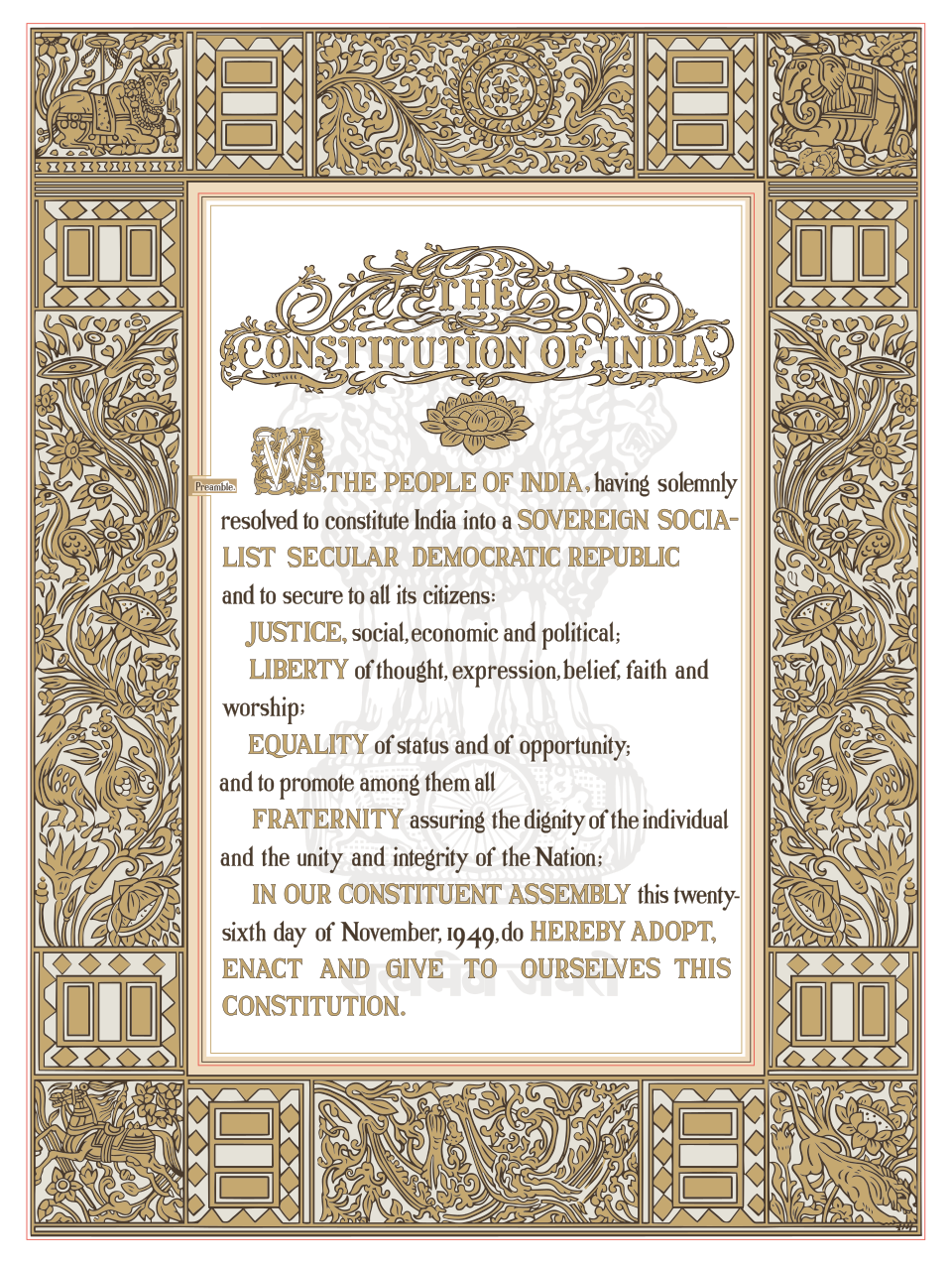
The Constitution of India is not only a legal document but also a work of art, enriched with illustrations that reflect the country’s civilisational depth and cultural diversity. The original manuscript, designed under the artistic direction of Nandalal Bose and his team from Santiniketan, features detailed motifs drawn from India’s historical and cultural traditions, including scenes from the Indus Valley, the freedom movement, and classical and medieval heritage. These visual elements were intended to place the modern Republic within a long historical continuum, linking constitutional ideals with the cultural memory of the nation. Alongside these manuscript illustrations, commemorative postage stamps issued over the years mark significant constitutional milestones such as the adoption of the Constitution, Republic Day anniversaries, and the contributions of key framers. Together, the manuscript artwork and philatelic material reflect how the Constitution has been visually interpreted, celebrated, and carried into public life, transforming it from a legal text into a shared national symbol.
05
The landmark constitutional cases of India trace how the meaning of the Constitution has evolved through judicial interpretation. Decided primarily by the Supreme Court of India, these judgments have shaped the understanding of fundamental rights, federal balance, parliamentary power, and the limits of state authority. Through these decisions, the judiciary has clarified constitutional principles and responded to new political and social challenges.
Together, these cases form a crucial body of constitutional jurisprudence. They illustrate how the Constitution has been interpreted over time—addressing issues such as judicial review, basic structure, individual liberties, and the relationship between the state and citizens—and continue to guide legal reasoning, public policy, and democratic governance in India.
.jpg)
.png)
06
Since its adoption in 1950, the Constitution of India has been periodically revised through amendments enacted by the Parliament of India. These changes reflect the evolving needs of the nation, shaped by political developments, administrative reforms, and shifting interpretations of constitutional provisions. Alongside amendments, various committees and commissions have reviewed constitutional functioning and recommended reforms.
Over time, amendments have reshaped key areas such as fundamental rights, federal arrangements, electoral processes, and institutional powers. Committees, including law commissions and parliamentary bodies, have supported this process by identifying gaps and guiding legislative action. Together, they show the Constitution’s ability to adapt while preserving its core principles.


.png)
About the Initiative
The Digital Constitution Museum is a virtual platform that presents the Constitution of India as a living document shaped by history, debate, and public life. Created to mark seventy-five years of the Constitution, the museum brings together archival materials, constitutional debates, biographies, visual art, timelines, and multimedia resources to make its making and evolution accessible to a wider audience. Moving beyond a purely legal understanding, it explores the social, political, and historical contexts in which constitutional ideas emerged, were challenged, and reinterpreted over time. By combining scholarship with digital tools and public storytelling, the museum offers an interactive space for students, researchers, and citizens to engage with India’s democratic journey as an ongoing process of negotiation, memory, and collective responsibility.
What the World thought of the Constitution of India
A Reuters dispatch, reprinted in multiple Commonwealth papers, described the celebrations of republic day
“Thousands of Indians poured from the hills and from farm lands into the cities last night to celebrate the birth of the independent Indian Republic… Hotels are packed with visitors, and buildings are strung with hundreds of thousands of colored lights as ancient India prepared to become the world’s youngest republic.”
Sir Edward Charles Benthall KCSI, British businessman
The inauguration of the Constitution of the Indian Republic on January 26 is both an outstanding event in the agelong history of India and also a natural development particularly from the events of recent years. A Briton who has spent the greater part of his life in India and whose family has been connected with India for a century and a quarter cannot but be moved by the great events which have taken place during his generation and by the privilege which has been accorded to him to take even the tiniest part in these world-shaking events.
Sir K.C. Wheare Australian academic
Sir Kenneth Wheare hailed the founding of the Indian Constitution as ‘the biggest liberal experiment in democratic government’. "The Indian Constitution established a system of Government which is almost quasi-federal, almost devolutionary in character, a unitary State with subsidiary federal features rather than federal States with unitary features.
Grenville Austin Historian of the Indian Constitution
"THE Indian Constitution is first and foremost a social document. Themajority of its provisions are either directly aimed at furthering the goals of the social revolution or attempt to foster this revolution by establishingthe conditions necessary for its achievement. Yet despite the permeationof the entire constitution by the aim of national renascence, the core of the commitment to the social revolution lies in Parts III and IV, in the fundamental Rights and in the Directive Principles of State Policy. These are the conscience of the Constitution"